Case Study
Digitally transforming
a clean power company
Overview
A publicly traded clean energy company ready to modernize how it operates at scale
Altus Power is one of the largest commercial-scale solar energy providers in the United States, managing hundreds of assets across the country. Despite rapid growth — including a successful SPAC listing turned private— the company's internal operations still relied heavily on spreadsheets, manual reporting, and disconnected systems. The opportunity was significant: build a digital foundation that could support their next stage of growth without creating operational drag.
I joined as a product leader and established best in class product management standards and helped organize the existing engineering team. I defined what that digital transformation should look like, prioritized where to start, and built out the first wave of tools and experiences.
The Challenge
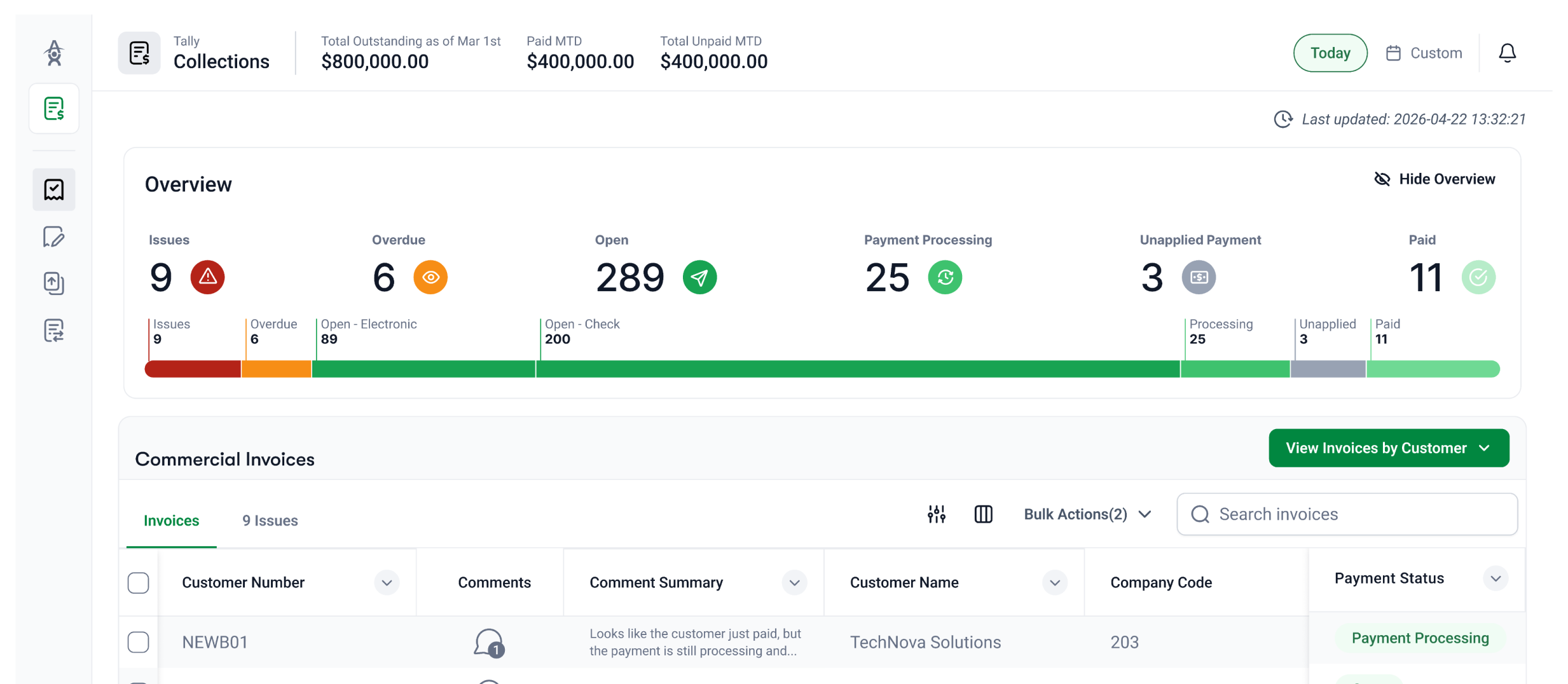
Operational complexity hidden behind spreadsheets and siloed systems & teams
As Altus Power scaled its portfolio, the gap between the pace of asset acquisition and the company's ability to manage those assets operationally grew wider. Field teams, asset managers, finance, and leadership were all working from different data sources, often reconciled manually. Reporting cycles that should have taken hours were taking days.
There was also an external dimension: Altus Power's customers — community solar consumers, commercial property owners and municipalities — wanted better visibility into their systems' performance & savings. The company had no customer-facing product to speak of. This represented both a service gap and a competitive risk as the market matured.
Internal operations
Asset managers were tracking performance, maintenance schedules, and financial projections across disconnected tools. Errors were common. Institutional knowledge lived in inboxes and spreadsheets rather than systems.
Customer experience
Customers received periodic PDF reports with limited interactivity. There was no self-serve portal, no real-time performance data, and no easy way to submit service requests or understand billing.
Approach
Start with the data, then build outward toward the people who need it
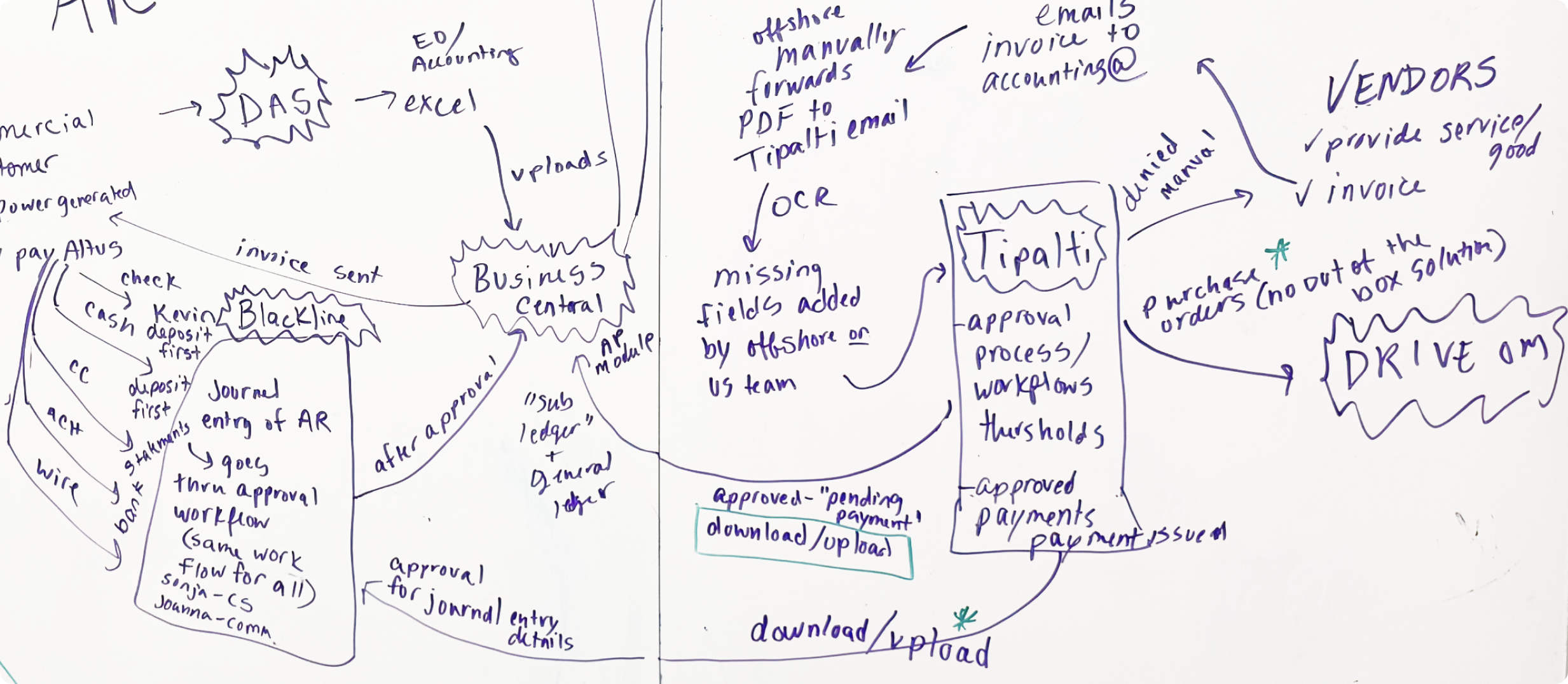
The first phase was largely investigative. Over several weeks I conducted stakeholder interviews across every major function — operations, finance, customer success, field services — to understand the real shape of their workflows and where the biggest friction points were. I mapped the full data landscape: what systems existed, what data lived where, and what was missing entirely.
From that foundation, I worked with leadership to align on a phased roadmap. Rather than attempting a wholesale transformation, we identified the highest-leverage starting points: the internal asset management experience and an MVP customer portal. These two surfaces would force us to solve the underlying data problems in a way that immediately delivered value to real users.
"The goal wasn't to build software for the sake of it — it was to make the people running this company actually faster and less stressed. Everything else followed from that."
Solution
An internal operations hub and a customer portal built on shared infrastructure
The internal asset management platform - Altus Central - gave operations teams a single place to view portfolio performance, track maintenance events, manage work orders, and run financial reporting. We replaced the most painful spreadsheet workflows with structured tools that maintained flexibility while enforcing consistency.
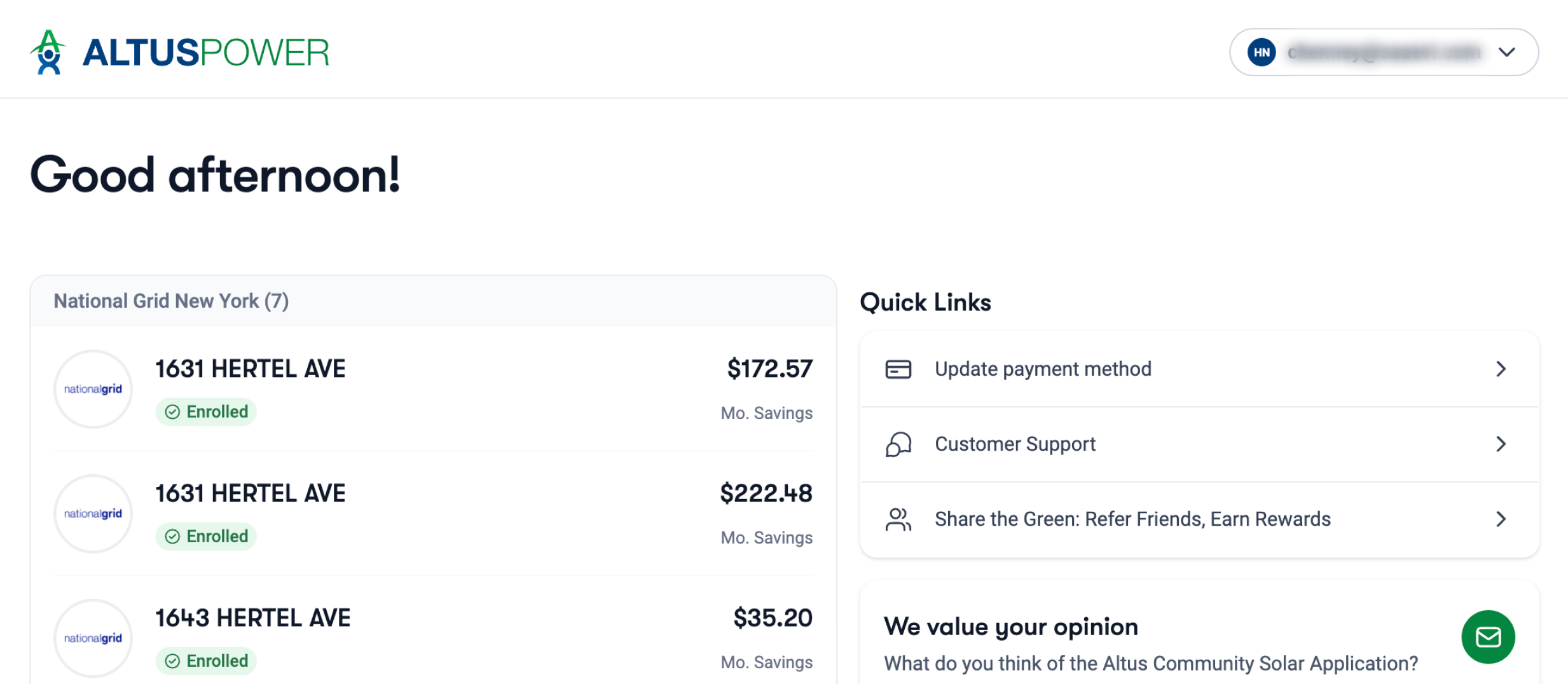
The customer portal gave commercial property owners and community solare consumers real-time visibility into their solar systems & savings — live production data, historical performance, maintenance history, and a direct channel for service requests. It was designed to be low-friction and easy to understand, even for customers who were not technically sophisticated.
Both products drew from a shared data layer, which meant work on one had compounding benefits for the other. Getting the data model right early was the hardest and most important work of the roadmap.
Outcomes
Measurable operational improvements and a new direct line to customers
4×
Faster monthly reporting cycle for asset managers
~60%
Reduction in ad hoc data requests to the operations team
10,000+
Customer accounts onboarded to the portal
Reflection
What I'd take forward
The most valuable skill on a project like this isn't technical — it's the ability to hold a lot of complexity without losing sight of what actually matters to the people doing the work. At Altus Power, the temptation was always to go broader. There was no shortage of problems worth solving. The discipline was in saying no to most of them, at least for now, and going deep enough on the right things that the results were actually transformative rather than merely incremental.
I'd also do the data discovery even earlier next time. The constraints you find there shape everything downstream, and the sooner you understand them, the less rework you do.